
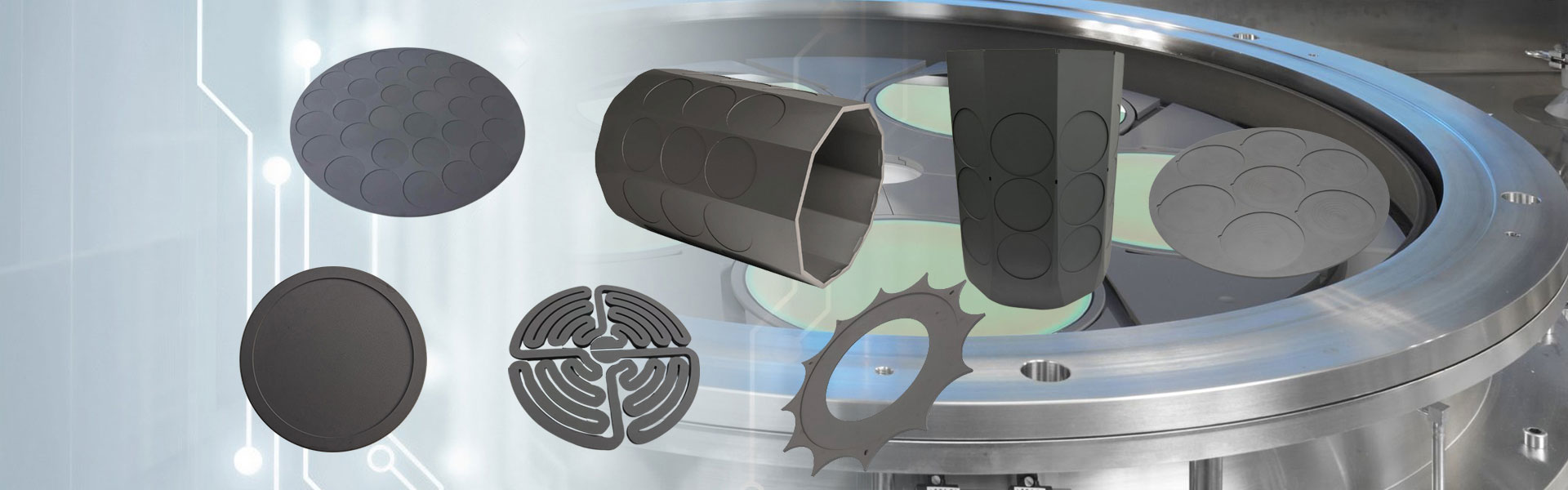
Process
Production Process and Application Scenarios of Ceramic Products
I. Complete Production Process of Ceramic Materials
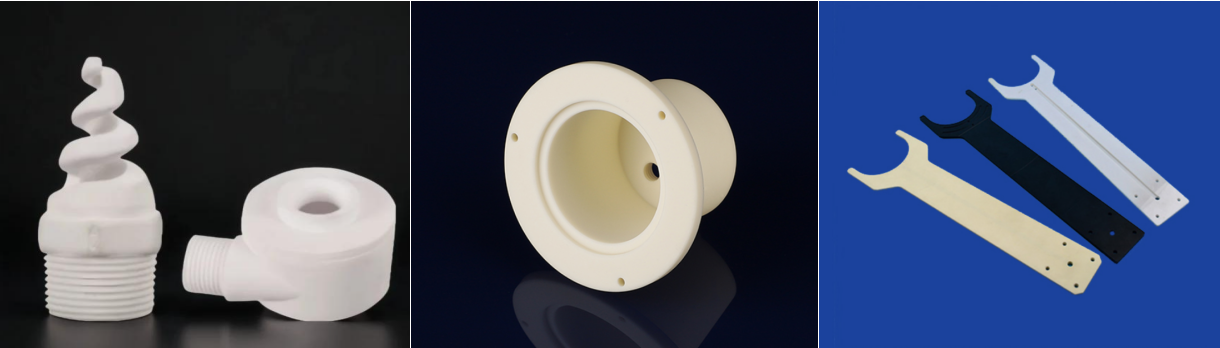
(I) Raw Material Preparation
- Raw Material Selection Select powders according to product performance requirements: high-purity ceramic powders including alumina, zirconia, silicon carbide, aluminum nitride, talc ceramic and kaolin. 95/99/99.9% high-purity alumina powder is widely adopted for industrial precision ceramics.
- Batching and Ball Milling Mix ceramic powder, sintering aids, dispersants and binders in proportion, add water or organic solvents, then feed into a ball mill for ultra-fine grinding to reduce particles to micron/submicron grade and ensure uniform powder distribution.
- Slurry Iron Removal and Spray Granulation Filter the slurry to remove metallic impurities, then deliver it to a spray drying tower. High-temperature atomization and drying produce spherical granulated powder with good fluidity for subsequent forming procedures.
(II) Forming Processing (Four Mainstream Processes)
- Dry Press Forming Pour granulated powder into a mould and press into green bodies under high pressure. Suitable for regular simple parts such as standard sheets, rings, valve seats and flowmeter liners with high mass production efficiency.
- Slip Casting Inject liquid slurry into plaster moulds and form blanks via water adsorption and dehydration. Ideal for complex special-shaped and thin-walled ceramic components.
- Extrusion Forming Extrude plastic clay into shaped products, applied to ceramic tubes, ceramic rods and strip electrodes.
- Injection Molding (Ceramic MIM) Heat and inject the mixture of powder and organic carrier. Suitable for high-precision miniature complex structures (electronic ceramics, precision sensor accessories).
(III) Debinding and Degreasing
Green bodies contain organic binders inside. Implement segmented low-temperature heating (200~600°C) to fully decompose and volatilize organics, preventing cracking and pore defects during sintering.
(IV) High-Temperature Sintering (Core Process)
Place degreased blanks into kilns for high-temperature densification sintering:
- Alumina ceramics: Air sintering at 1600~1700°C
- Zirconia toughened ceramics: 1450~1550°C
- Silicon carbide / Aluminum nitride: Sintering under vacuum or protective atmosphere
After sintering, powder particles fuse and blanks densify to form ceramic substrates featuring high hardness, insulation and corrosion resistance.
(V) Precision Post-Processing
Sintered ceramics feature ultra-high hardness and require finishing with diamond tools:
- Grinding & Polishing: Mirror polishing for sealing surfaces and flowmeter measuring tubes
- Cutting, Drilling & Slotting: Machining mounting holes and wiring grooves
- Metallization Sealing: Coat metal layers on surfaces to realize welding assembly between ceramics and stainless steel/copper (sensor electrodes, vacuum components)
- Cleaning & Testing: Ultrasonic cleaning, dimensional inspection, air tightness test, insulation and voltage withstand test
(VI) Finished Product Inspection and Warehousing
Conduct full inspection covering appearance, dimensional tolerance, density, hardness, insulation, acid & alkali resistance and air tightness. Qualified products are packaged and delivered.
II. Core Advantages of Industrial Precision Ceramics (Matching Flowmeter Business)
- Resistant to acid, alkali and organic solvents, compatible with chemical media such as methylstyrene, resin and residual oil
- High hardness and ultra-low wear, no abrasion during long-term measurement of high-solid-content slurry
- Electrically insulating to avoid electrostatic interference from media and improve flow measurement accuracy
- Smooth and non-adsorptive surface, less prone to scaling and longer maintenance cycle
Production Process and Application Scenarios of Quartz Material Products
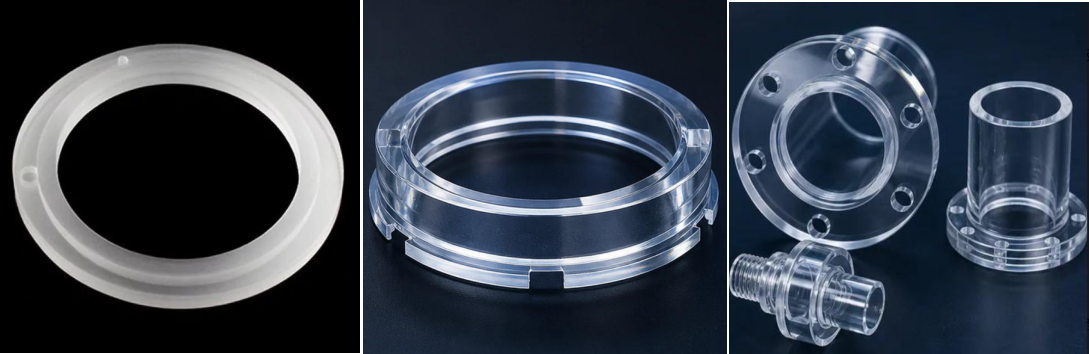
I. Complete Production Process of Quartz Materials
Quartz products consist of three core stages: high-purity quartz sand purification, melting forming and precision cold processing. There are two technical routes: natural ore purification (mainstream for photovoltaic and industrial applications) and chemically synthesized high-purity quartz (for semiconductor lithography and optical fiber).
(I) Raw Material Purification & Preparation (Core Preceding Process)
Route 1: Purification of Natural Vein Quartz (3N~5N High-Purity Sand)
- Raw Ore Preprocessing Manually select high-quality vein quartz ore → coarse crushing and medium-fine crushing → water washing and desliming, hydraulic classification to remove soil, large associated feldspar and mica impurities.
- Calcination & Water Quenching for Impurity Dissociation High-temperature calcination at 850~1300°C followed by rapid water quenching. Thermal expansion and contraction crack impurity inclusions inside minerals to open channels for impurity separation.
- Multi-Stage Physical Separation Mechanical scrubbing to remove iron oxide films on surfaces → high-gradient magnetic separation to eliminate ferromagnetic impurities → flotation to separate feldspar/mica → color sorting to remove off-color particles.
- Deep Chemical Purification (Key Impurity Removal Step) Heated leaching with mixed strong acids (HF+HCl+HNO₃), assisted by ultrasonic treatment to strip lattice impurities. High-end products adopt high-temperature chlorination for dehydroxylation to remove metal ions and hydroxyl groups (OH⁻).
- Ultra-Pure Washing & Drying Multi-stage countercurrent rinsing with ultra-pure water to remove residual acid, followed by low-temperature drying to obtain high-purity quartz sand (SiO₂ purity: 99.99%~99.999%).
Route 2: Chemically Synthesized High-Purity Quartz (6N~7N, Ultra-High Grade)
Using silicon tetrachloride (SiCl₄) as raw material, synthesized via flame hydrolysis or high-temperature plasma. Free of natural mineral impurities, with metal impurities controlled at ppb level, specially supplied for lithography and optical fiber preforms.
(II) Thermal Melting Forming (Four Mainstream Processes)
- Arc Melting Forming High-purity quartz sand is fed into an arc furnace and melted into quartz glass at 1700~1800°C, applied to large-size quartz crucibles and thick-walled quartz cylinders.
- Continuous Drawing Forming Constant-temperature melting in a resistance continuous melting furnace, with traction equipment to continuously draw quartz tubes, quartz rods and quartz plates for mass production of furnace tubes and light-transmitting sleeves.
- Isostatic Pressing Forming High-purity quartz powder is pressed into green bodies under high pressure, then sintered and melted. Suitable for large-size monocrystalline silicon crucibles for photovoltaic industry with uniform wall thickness.
- Flame Hot Working Secondary flame heating of quartz tubes/rods for blowing, bending and welding of special-shaped parts, including quartz boats, quartz cleaning tanks and special-shaped optical components.
(III) Precision Cold Machining
Molten blanks feature high hardness and require precision machining with diamond tools:
- Cutting, Drilling & Slotting: Machining flanges, mounting holes and flow guide grooves;
- Grinding & Polishing: Optical mirror polishing (for ultraviolet lenses) and precision surface polishing;
- Flame Annealing: Eliminate internal machining stress to prevent cracking under high-temperature service;
- Ultra-Clean Washing: Acid & alkali cleaning + ultrasonic cleaning + blow-drying with high-purity nitrogen.
(IV) Finished Product Inspection & Warehousing
Full inspection covering purity (metal impurities, hydroxyl content), high-temperature thermal shock resistance, light transmittance, dimensional tolerance, air tightness and corrosion resistance. Qualified products are packed in clean packages for delivery.
II. Core Advantages of High-Purity Quartz
- Outstanding Corrosion Resistance: Tolerates most strong acids, alkalis and organic solvents, compatible with chemical media including resin, residual oil and methylstyrene;
- Ultra-Smooth Inert Surface: Free of medium adsorption and scaling, delivering stable measurement accuracy for long-term detection of slurry and viscous media;
- Insulating & Anti-Static: Eliminates electrostatic interference from fluid and improves measurement stability of mass flowmeters;
- Wide Temperature Resistance: Stable performance at -200~1250°C without cracking under thermal shock;
- Minimal Precipitation: High-purity grades release no metal ions and will not contaminate chemical and food media.
Production Process and Application Scenarios of Silicon Material Products
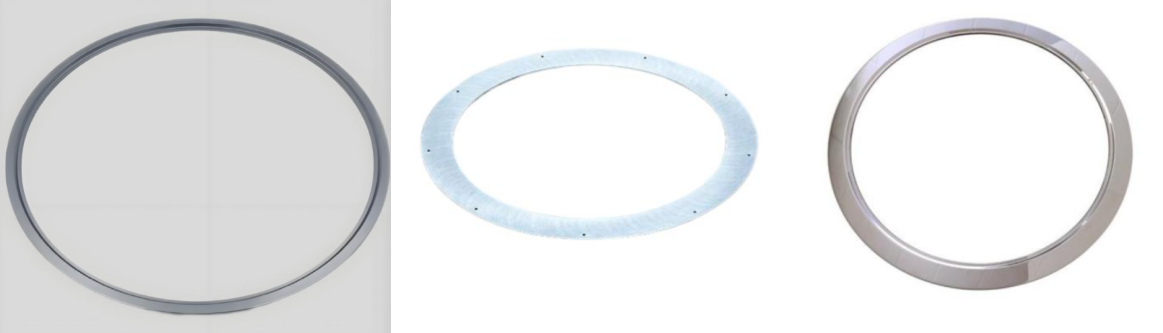
I. Complete Production Process of Silicon Materials
Silicon material products are divided into three major categories: industrial metallic silicon, polysilicon for photovoltaic/semiconductors, and monocrystalline silicon wafers. The full process covers raw material smelting, purification, crystal growth and wafer precision processing.
(I) Metallurgical Silicon Smelting (Base Raw Material)
- Raw Material Batching Mix quartz sand (SiO₂), coke and charcoal according to the proportion, serve as raw materials for silicon reduction.
- Submerged Arc Furnace Reduction Smelting Raw materials are fed into a submerged arc furnace for high-temperature reduction at 1800–2000°C. The chemical reaction removes oxygen from silica to produce crude metallic silicon.
- Primary Refining & Impurity Removal Carry out slagging refining to remove aluminum, calcium and iron impurities, then cast into bulk metallurgical silicon (industrial silicon, purity 98%–99.5%).
(II) High-Purity Polysilicon Purification (Core Purification Step)
- Trichlorosilane Synthesis Metallurgical silicon reacts with hydrogen chloride to generate crude trichlorosilane (TCS).
- Distillation Purification Multi-stage rectification removes boron, phosphorus and heavy metal impurities to obtain ultra-pure trichlorosilane.
- CVD Deposition (Siemens Process) High-purity TCS and hydrogen are introduced into a reduction furnace at 1100°C–1200°C. High-purity polysilicon is deposited on silicon rods, with purity reaching 6N–11N.
- Crushing & Packaging Polysilicon rods are crushed into granular silicon chunks for crystal pulling raw materials.
(III) Monocrystalline Silicon Crystal Growth
Two mainstream production routes: Czochralski (CZ) monocrystalline silicon for PV, Float Zone (FZ) monocrystalline silicon for high-end semiconductors.
Czochralski Method (PV Grade)
- Load polysilicon into a quartz crucible and melt at 1420°C+;
- Seed crystal seeding, necking, shoulder expansion, equal-diameter growth and tailing;
- Cool and take out monocrystalline silicon ingots.
Float Zone Method (Semiconductor High-Purity Grade)
No quartz crucible contact; local melting of silicon rods via high-frequency electromagnetic heating, effectively reducing oxygen impurity content for power chips and high-end devices.
(IV) Silicon Wafer Precision Machining
- Ingot Squaring & Slicing Monocrystalline silicon ingots are squared into square rods, then sliced into thin silicon wafers by multi-wire cutting.
- Edge Grinding & Surface Texturing Grind wafer edges to avoid chipping; surface texturing for photovoltaic cells to enhance light absorption.
- Lapping, Polishing & Cleaning
- PV wafers: Surface lapping + texturing + ultra-pure water cleaning;
- Semiconductor polished wafers: Double-sided mirror polishing, multi-stage ultra-clean chemical cleaning to remove particle and metal contamination.
- Inspection & Sorting Detect thickness, TTV, resistivity, minority carrier lifetime, flatness and impurity content, classify wafers by grade.
(V) Finished Product Warehousing
Classified packaging under clean room environment, anti-static packaging for semiconductor silicon wafers.
II. Core Advantages of Silicon Materials
- Excellent Semiconductor Properties: Adjustable conductivity via doping, the only mainstream substrate material for microchips;
- Abundant Raw Material Resources: Quartz sand is widely distributed on Earth, with stable and controllable raw material cost;
- Stable Chemical Performance: Inert at room temperature, resistant to most acids, only reacts with strong alkali and hydrofluoric acid;
- Good Machinability: Can be sliced, etched, polished and made into micro-nano precision structures;
- Wide Temperature Adaptability: Retains stable mechanical and electrical performance within -60°C ~ 300°C.